Integration 2 - Diffit
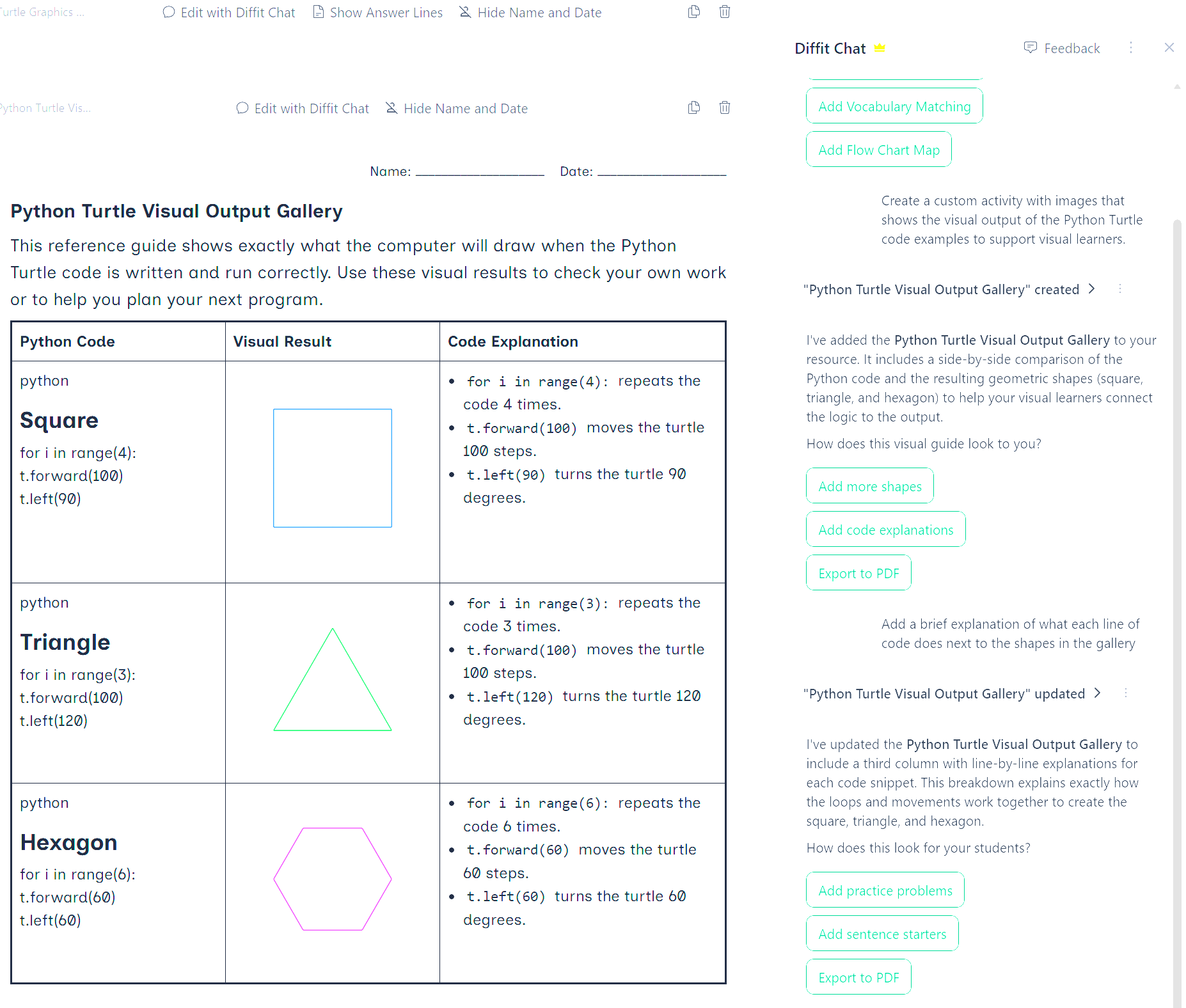
Diffit allows for AI augmented instructional design that assists educators in creating grade-appropriate learning material from any source content – an article, PDF, URL, video, etc. It then creates multiple versions of tailored content helping to solve differentiation at scale. It integrates workflows through direct exports to Google and Microsoft applications, provides special education support and expedites content creation among groups of educators with sharing functions. I used Diffit to allow for the creation of instructional “Python Loop” content for learners with some prior Python experience.
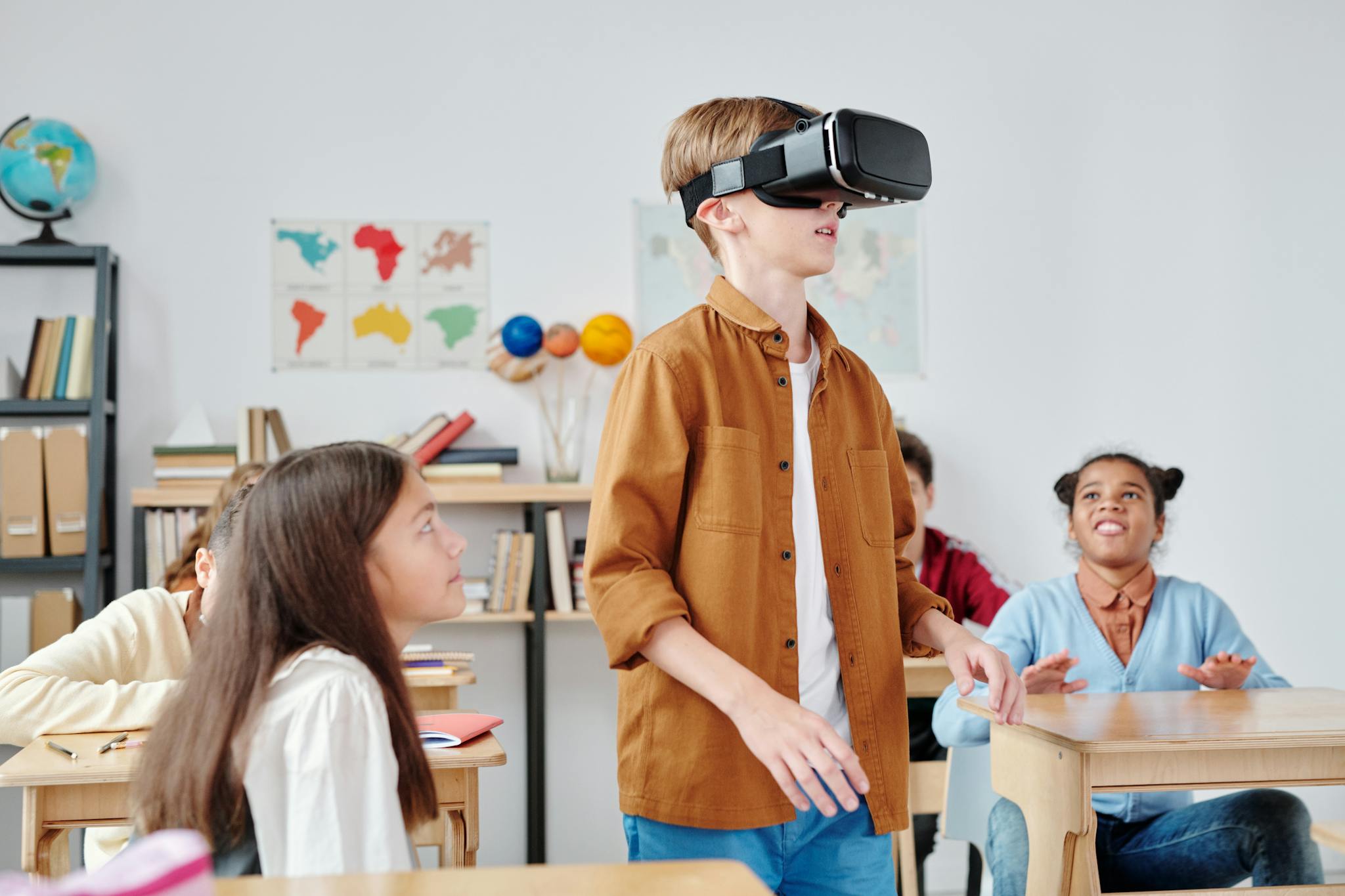
To try and engage the students, I chose a visual output activity incorporating rotating group projects using the Python Turtle library. I created the initial group members and their rotations to provide varying levels of familiarity and comfort within each group. By implementing this rotating group format, I improved student engagement, introduced team building skills through multiple instances of new member relationships, reduced uncertainty in experimentation and supported digital literacy and culture in the classroom.
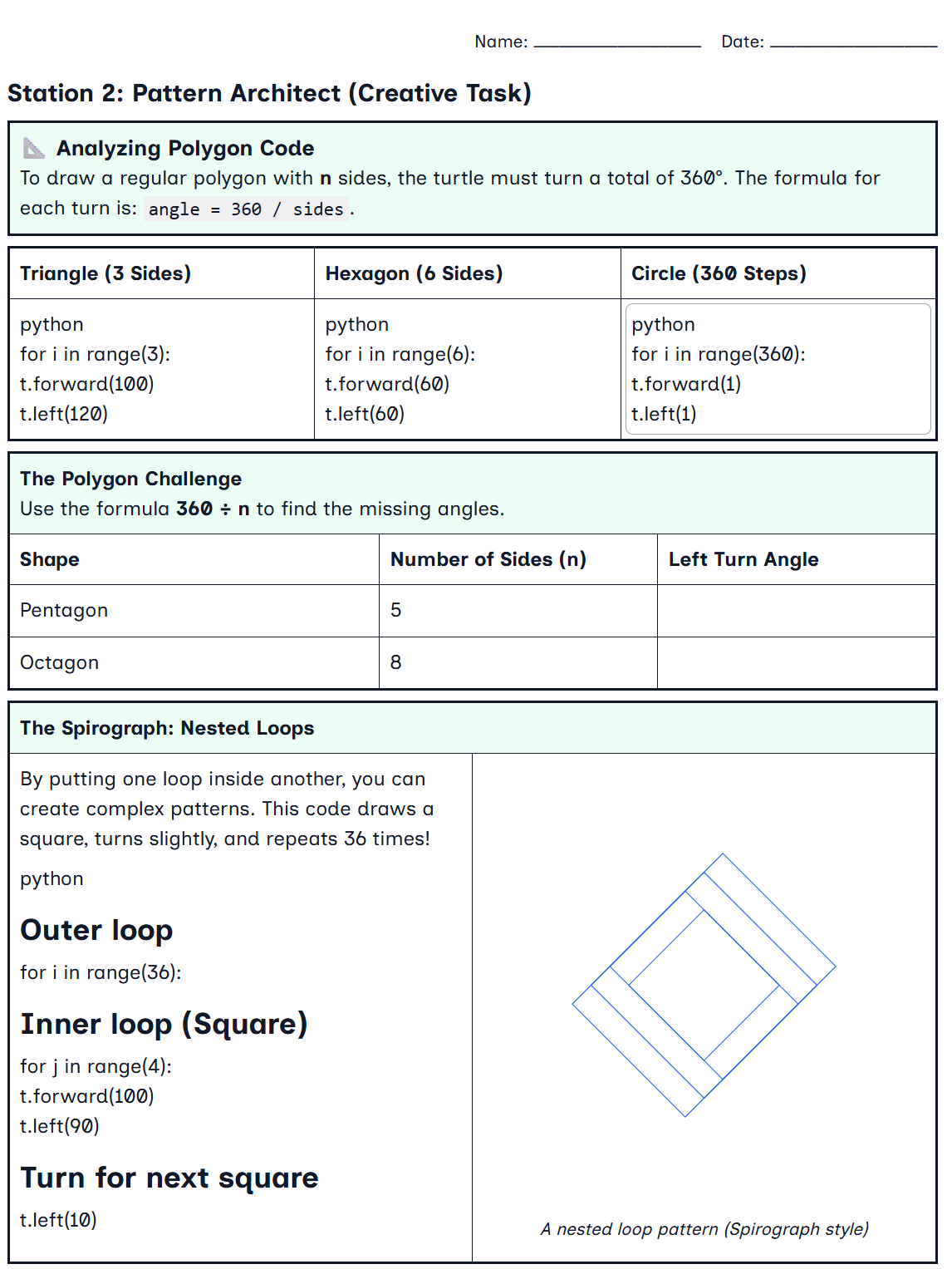
Implementation consisted of guided walkthroughs where I performed a station task alongside a group of students with Q&A. I then roamed among the group stations during the activity. Accessibility concerns were minimized with a computer running Google Colab at each station, seating arrangements where everyone is oriented at the screen, shared keyboard time, and Diffit’s visual output for more visual learners.
The lessons themselves include both text and visual cues and are scaffolded. One necessary modification was that every station started with the same activity to build competence within the lesson design before students started migrating between stations. Each activity had a time limit with instructor-led reviews before the next module was attempted.
AI interfaces were not used during the initial instruction and group projects.
Evaluating whether Diffit’s design improved outcomes required assessments before and after the station sessions. Diffit provides its own assessments within the activity sequence, but a short general knowledge assessment before and after the station activities were completed in entirety revealing breadth and depth of acquired functional knowledge.
In comparing the before and after formative assessments as well as the station-based activities summative assessments, a measurable perspective on the efficacy of the Diffit paradigm was evaluated.
The introduction and eventual evaluation of the AI Augmentation was only conducted after the foundational skillsets had been established through summative assessments. The integrated AI design interface can accommodate prompts with feedback on what pieces of an activity did and did not work well with alternative activities and assessments offered as enhancements as shown below.